
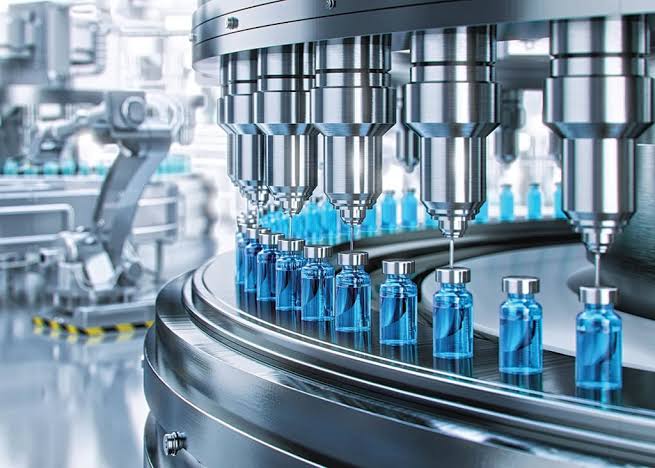
The Cost of Waiting: Why Growing CDMOs Need a Digital Foundation Early
For a growing CDMO, delaying digital transformation can feel practical. If production is moving, batches are being released, and existing processes are working, there may be little urgency to change them.
But the problem doesn’t stay the same while you wait.
With every new sponsor, product, batch, deviation, manufacturing line, and GMP requirement, another layer of complexity is added. Teams adapt by introducing spreadsheets, manual checks, workarounds, and processes to keep operations moving.
Over time, those fixes compound. What worked for a smaller operation requires more people, more manual effort, and more institutional knowledge to sustain.
For growing CDMOs, the question isn’t simply whether to digitize manufacturing. It’s how much complexity will accumulate before they do.
Manual Processes Can Work – Until Growth Changes the Equation
Paper records, spreadsheets, and manual workflows can be manageable when a CDMO supports a limited number of products and sponsors. The challenge is that these processes rarely scale at the same pace as the business.
What Works at Small Scale Becomes Harder to Sustain
As CDMOs add sponsors, products, manufacturing lines, and sites, they also add more batches, deviations, documentation, and evolving GMP requirements.
Processes that once required a manageable amount of manual effort begin consuming more resources. More records need review, more information needs reconciliation, and more people become involved in keeping operations moving.
Complexity Compounds
Organizations often respond to each new challenge individually: another spreadsheet, another manual check, another workaround.
Each may solve an immediate problem, but it also adds another layer to the operating model.
Eventually, the organization isn’t scaling the process – it’s scaling the work required to maintain it.
Eventually, People Become the System
As manual processes become more complex, people increasingly fill the gaps between them.
Experienced employees know where information lives, which steps require extra checks, and how to navigate exceptions that may not be fully documented. That knowledge keeps manufacturing moving – but it also creates dependency.
More Complexity Requires More Human Intervention
Disconnected processes require people to enter and reconcile data, review records, coordinate handoffs, investigate discrepancies, and make routine decisions that could otherwise be built into the manufacturing process.
As production grows, the response is often to add resources. But if every new product or sponsor requires a corresponding increase in manual effort, headcount begins scaling with operational complexity.
Tribal Knowledge Becomes a Scaling Risk
When critical process knowledge lives primarily with experienced employees, training becomes harder, execution can vary between teams, and the organization becomes vulnerable when those employees leave.
Capturing that knowledge within standardized digital workflows helps turn individual expertise into an organizational capability.
The goal isn’t to remove people from the process. It’s to stop relying on people to hold the process together.
Waiting Can Turn an Operational Problem Into a Compliance Problem
Manual processes are not inherently noncompliant. But as manufacturing complexity grows, maintaining consistent execution and complete documentation becomes increasingly resource-intensive.
Workarounds Introduce Risk
Manual checks, disconnected records, and processes dependent on individual knowledge make it harder to ensure requirements are followed consistently. Issues may not be identified until batch review, when resolving missing information or discrepancies requires additional investigation.
Over time, this can contribute to delayed reviews, deviations, inconsistent documentation, and greater exposure during audits and inspections.
Common Mistake
Many CDMOs wait until growth exposes the limitations of paper-based or disconnected processes before investing in digital manufacturing.
But the problem compounds. Each new batch, deviation, and GMP requirement adds more manual work, workarounds, and reliance on tribal knowledge – increasing operational and compliance risk as the organization grows.
A Digital Foundation Changes How Complexity Is Managed
Digital manufacturing does more than replace paper with electronic records. It builds requirements, workflows, and manufacturing knowledge into the process itself.
Let the System Do More of the Heavy Lifting
Standardized digital workflows can guide operators through execution, enforce required steps and data capture, and flag exceptions as they occur.
This helps embed best practices into day-to-day manufacturing while reducing the manual effort required to manage increasingly complex operations. Critical manufacturing knowledge is captured within the process rather than residing primarily with individual employees.
Digital Supports More Than Compliance
While digital manufacturing is often associated with electronic records and regulatory compliance, its value extends into how efficiently the operation runs.
A strong digital foundation can support faster batch review, improve manufacturing visibility, simplify employee training, and standardize execution across products and sites.
For growing CDMOs, instead of adding manual effort and resources every time complexity increases, the organization has a foundation designed to absorb more of that complexity as it grows.
Build Before Growth Makes It a Necessity
The best time to establish a digital manufacturing foundation is before existing processes become a constraint.
Once a CDMO is simultaneously onboarding sponsors, increasing production, adding employees, and expanding facilities, changing the underlying operating model becomes significantly more difficult.
Digital Transformation Gets Harder as Complexity Grows
The longer an organization waits, the more existing processes, workarounds, data, and tribal knowledge must eventually be addressed.
Starting earlier allows CDMOs to standardize how work is executed before complexity becomes deeply embedded.
The objective isn’t to implement every digital capability from Day One. It’s to establish a foundation that supports what the organization needs today without limiting what it may need tomorrow.
What Leading CDMOs Do Differently
Leading CDMOs approach digitalization as part of their growth strategy rather than waiting for operational pain to force the decision.
- Invest in digital manufacturing before growth makes it a necessity, capturing efficiency and scalability gains earlier.
- Replace manual processes with standardized digital workflows that can scale across products and sites.
- Build a consistent digital operating foundation that improves visibility, compliance, and knowledge retention.
- Treat digitalization as a business strategy, not simply a technology initiative, enabling growth without increasing operational burden, staffing requirements, and risk at the same rate.
MES Provides the Foundation for Digital Manufacturing
Building a digital foundation requires more than converting paper records into electronic documents. A Manufacturing Execution System (MES) provides the infrastructure to digitally execute, control, and capture manufacturing processes.
Build Best Practices Into Execution
With MES, standardized workflows can guide operators through execution, ensure required information is captured, and identify exceptions as they occur.
Electronic batch records reduce reliance on paper and manual transcription, while Review by Exception allows quality teams to focus on issues requiring investigation rather than reviewing every element of an otherwise compliant batch.
The system takes on more of the work of managing execution, knowledge, and risk as manufacturing complexity grows.
Build a Foundation That Can Grow With You
POMSnet Aquila is a pharma-first MES designed to help manufacturers establish standardized digital processes that can scale across products, sponsors, and sites.
Rather than adding another workaround or disconnected solution as each new requirement emerges, CDMOs can build digital into the operating model before complexity makes transformation a necessity.
Start Building Your Digital Foundation
If your organization is growing but still relies heavily on paper, spreadsheets, or disconnected manufacturing systems, POMS can help identify where digital manufacturing could create a more scalable foundation.
Ready to build for where your manufacturing operation is going next? Talk to POMS.